
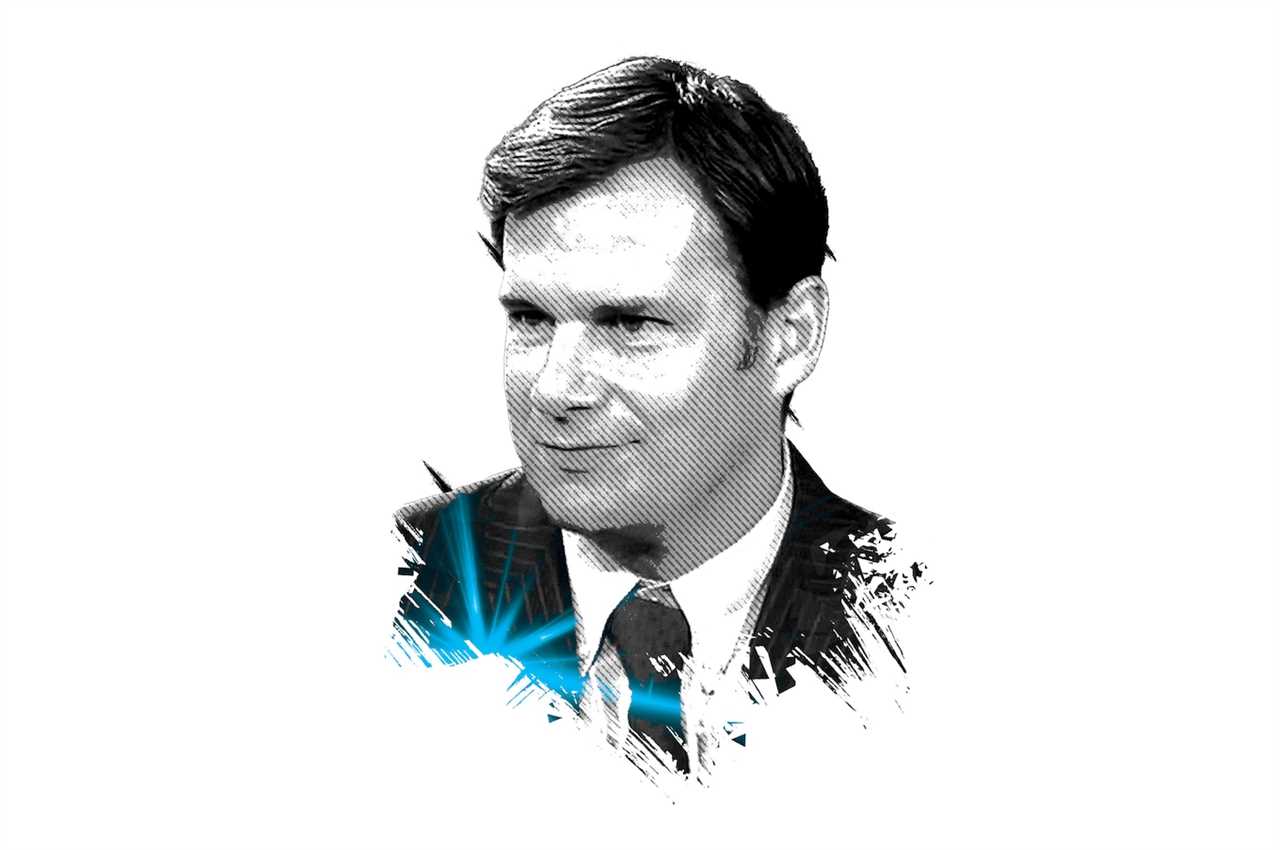
Many men have tried to improve Ford. In the modern era, few have had the luxury of sitting back and watching the hits and the money roll in. The latest man in the big Ford CEO chair is automotive industry veteran Jim Farley. Ford has a history of choosing leaders from within who climbed the ladder and arrived at the top well-versed in the company and industry. Ford has also gambled on outsiders—to both the company and the auto business—with varying degrees of success. The Blue Oval has also tapped the Ford family to run things.
Farley falls into the category of being a car and industry guy who was schooled at more than one automaker (he came from Toyota), giving him a wider perspective. And he wears the coveted “car guy” moniker in an industry where CEOs come from finance as frequently as they hail from plant floors or product development.
Farley became Ford CEO on October 1, 2020, succeeding Jim Hackett, the former CEO of Steelcase, an office furniture company. Hackett earned his limited automotive chops after he joined the Ford board, where he impressed executive chairman Bill Ford enough to press him into CEO duty in 2017 with the ouster of Mark Fields. Fields was a longtime Ford lieutenant who worked his way to the top but was unable to keep Ford stock from falling and family shareholders happy.
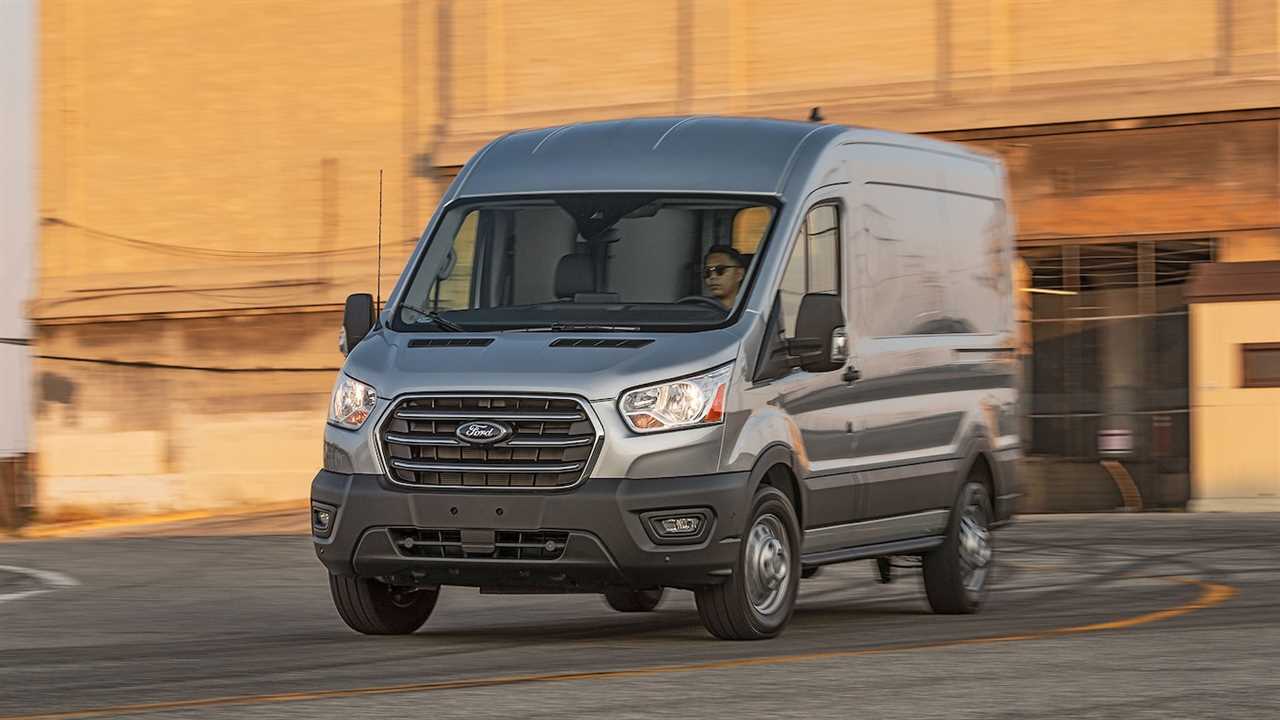
More than 130,000 commercial customers subscribe to Ford Commercial Solutions, paying $10 a head for vehicle data to better manage their fleets and their business. Subscriptions are growing by 20–30 percent a quarter.
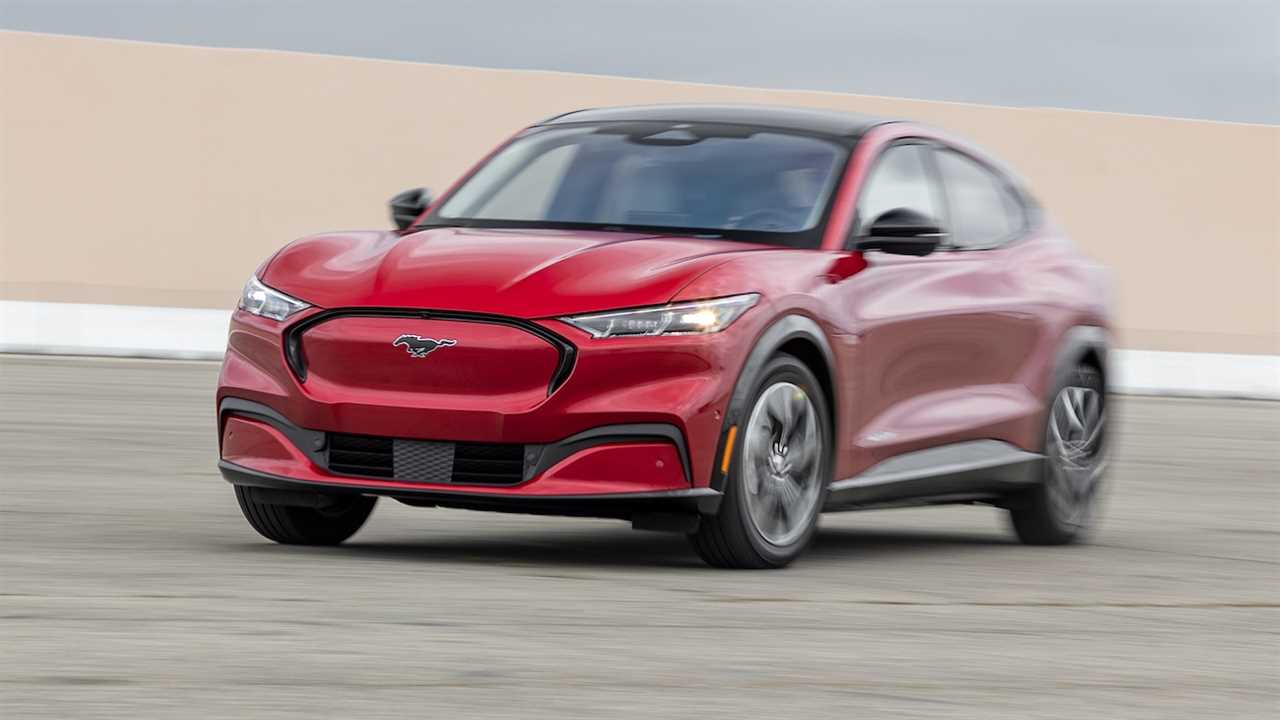
On the retail side there is also great potential to offer subscriptions and new capability. The F-Series and Mach-E were designed to receive future over-the-air updates, such as BlueCruise, Ford’s Level 2 hands-free driving assist system. Ford thinks customers will pay handsomely for new features that improve their vehicles; if 25 percent of customers pay an extra $50 per month for something, it produces big profit, Farley notes.
New vehicles have high-speed modems and subscription services not offered before, like a sophisticated navigation system in a Bronco that goes from street to trail and back, or Mappo, an app integrated into Ford’s Sync 3 and Sync 4 that provides 20,000 cultural references based on books, movies, and music across the U.S., Europe, and Asia for tidbits about each area on your travel tour.
Over-the-Air Updates Are a Game Changer
Many of the over-the-air updates will be quality fixes to maintain customer satisfaction and loyalty; others will be new content and features. Ford will charge for some of them, but others will be free, Farley tells us.
Over-the-air software updates release the automaker from the obsession with having every feature available on a new vehicle from Job 1. Following the Tesla model, vehicles can ship with capability that is activated later via an over-the-air software update. Farley says the Mach-E and F-150 just received an upgrade, with another major one coming later this year. Smaller software updates are sent out every four weeks.
Connected car data is worth billions, and Ford is building most of its own software. There are 15,000 software engineers and growing at Ford working in connectivity and data analytics. This is an area Farley gets geeked up about. He says the future is as much about features and connected services as the vehicles those offerings are in. And electric vehicles unlock greater opportunity. “There is all sorts of functionality on the software side that you can’t get in a non-electrified vehicle,” he says.
Ford is concentrating on data platforms for commercial vehicles, which account for about a third of Ford’s business globally. Electric commercial vehicles are a priority and area of concern because they need a better network of charging stations; Farley feels retail customers have a better charging network than commercial consumers do. Ford is also working on an automated delivery business, using an electric, autonomous van it is developing, as part of a full delivery ecosystem.
Farley rules the roost at a time when Ford has a lot of hot products on the road or in the pipeline. The new, and delayed, 2021 Ford Bronco has enough orders that it will be sold out for a long time. Farley knows this is special, and all the planning in the world cannot guarantee new vehicles will resonate when they finally hit the market. It is his job as Ford CEO to ensure smooth launches and production of quality vehicles, all while flipping the switch to a new era of electric vehicles. He will use vision and data to back his decisions and tweak his strategy. And maybe, if even for a brief moment, he can be among the few leaders able to watch surefire hits and profits roll in.
Can Jim Farley, a Real Car Guy, Fix Ford? appeared first on MotorTrend.By: Alisa Priddle
Title: Can Jim Farley, a Real Car Guy, Fix Ford?
Sourced From: www.motortrend.com/news/ford-ceo-jim-farley-strategy/
Published Date: Thu, 13 May 2021 13:00:09 +0000


